On-Demand Roadside Assistance Apps: A Must-Have Tech for Fleet Managers and Auto Insurers
- steffanbobot1509
- Oct 9
- 5 min read
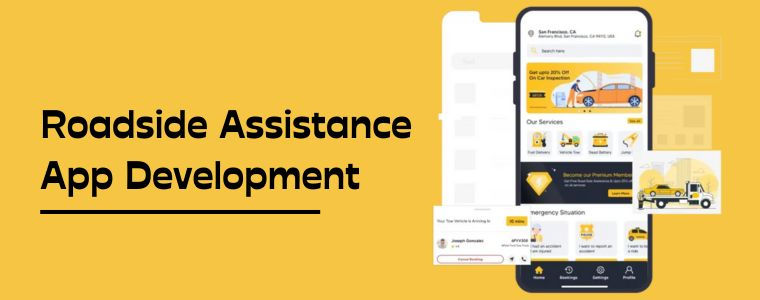
The transportation and insurance industries are undergoing a quiet but powerful transformation, driven by technology that prioritizes speed, efficiency, and real-time service. One of the most impactful innovations in this space is the On-Demand Roadside Assistance App — a digital solution rapidly becoming essential for fleet managers and auto insurers alike.
Whether it's minimizing vehicle downtime or enhancing customer satisfaction, these apps are enabling businesses to streamline operations and deliver on-demand services without the traditional lag or operational chaos. For companies managing hundreds or even thousands of vehicles, or insurers promising seamless support, the shift to app-based roadside assistance is not just smart — it’s strategic.
Why Traditional Roadside Assistance No Longer Cuts It
Fleet managers and auto insurers have long depended on legacy systems and third-party providers for roadside help. But these models often suffer from inefficiencies like long wait times, poor coordination, limited tracking, and frustrating customer experiences.
These aren’t just minor setbacks — in industries where time literally equals money, each minute of vehicle downtime means increased operational costs, missed deadlines, and potential client dissatisfaction. For insurers, poor service can lead to negative brand perception and a high churn rate.
The traditional model simply wasn’t built to handle the expectations of today’s real-time, mobile-first world. Enter the On-Demand Roadside Assistance App — a tech-forward solution that answers the need for speed, transparency, and scalability.
What is an On-Demand Roadside Assistance App?
At its core, an On-Demand Roadside Assistance App connects stranded drivers with nearby service providers in real time. Much like an Uber Like Roadside Assistance App, it uses geolocation, push notifications, payment integration, and live tracking to deliver a fast, seamless experience for the user — whether that's an individual driver, a fleet operator, or an insurance client.
Key services typically include:
Towing
Battery jump-starts
Flat tire assistance
Fuel delivery
Lockout help
But beyond its functionality, the real value of the app lies in its backend intelligence — the ability to track, manage, and optimize service operations across multiple endpoints.
Why Fleet Managers Need This Technology
Fleet management is about more than just keeping vehicles on the road — it’s about optimizing every aspect of transportation logistics, from vehicle maintenance to driver safety to cost efficiency. A breakdown or delay can disrupt the entire supply chain.
An On-Demand Roadside Assistance App offers several clear advantages to fleet managers:
1. Real-Time Visibility
Fleet managers can track roadside assistance in real-time. No more guessing where a vehicle is or how long it will be before it’s back in operation. The app provides instant updates on service status, technician ETA, and resolution.
2. Minimized Downtime
Faster dispatching and resolution times mean vehicles get back on the road quicker. This leads to improved operational efficiency and lower downtime costs.
3. Data & Analytics
Modern roadside apps come with dashboards that allow managers to see service history, costs, frequency of issues, and more. These insights are gold for long-term planning and cost control.
4. Driver Support & Safety
Drivers can request help directly from their mobile device, eliminating the need for calls or paperwork. It improves their sense of safety and reduces delays in communication.
Why Auto Insurers Can’t Afford to Ignore This Trend
For insurers, offering fast and reliable roadside assistance is no longer a “nice to have” — it’s a customer expectation. With so many digital-first competitors entering the market, differentiation often comes down to the experience, not just the policy.
Here’s how an On-Demand Roadside Assistance App benefits auto insurers:
1. Improved Customer Experience
Policyholders get immediate help without navigating call centers or delays. They can track their technician's location in real time, receive updates, and even pay or sign forms directly through the app.
2. Brand Loyalty & Retention
A smooth, tech-enabled experience builds trust. Happy customers are more likely to renew policies and recommend services to others.
3. Cost Control
Automation reduces administrative overhead and fraudulent claims. It also allows insurers to work with a network of pre-vetted service providers, which improves quality control.
4. Scalability
As your customer base grows, managing roadside assistance manually becomes unsustainable. A robust app-based solution allows you to scale service delivery without scaling complexity.
Building the Right App: What to Look for
Developing an Uber Like Roadside Assistance App involves more than just a good-looking interface. It’s about building a reliable, secure, and intuitive platform that works for every stakeholder — the driver, the service provider, and the operations team.
Here are some features to consider during Roadside Assistance App Development:
Real-Time GPS Tracking
Smart Dispatching Algorithms
In-App Communication & Notifications
Payment Gateway Integration
Ratings and Reviews for Service Providers
Data Analytics Dashboard
White-label Options for Insurers or Fleet Owners
Choosing the right on demand app development company is crucial here. Look for a team with experience in building logistics or service-based platforms, and one that understands the nuances of integrating real-time location services and scalable infrastructure.
Integration with Existing Systems
One of the reasons businesses hesitate to adopt new tools is fear of disrupting existing workflows. The good news is that most modern roadside assistance platforms can be integrated with:
Fleet management software
Insurance CRM platforms
Telematics systems
Payment systems
Customer support chat or ticketing tools
This makes the app not just a standalone service, but part of a connected ecosystem that improves overall operational efficiency.
Use Case: Logistics Fleet Operator
Let’s take the example of a logistics company with a fleet of 300 trucks operating across multiple states. Traditionally, when a truck broke down, the driver would need to call dispatch, who would then locate a nearby service manually — sometimes taking hours.
With an On-Demand Roadside Assistance App, the driver simply taps a few buttons. The app instantly locates the nearest service provider, dispatches help, and sends live updates to both the driver and the fleet manager. What used to be a 3-hour delay is now resolved in under 45 minutes — all documented in the company’s dashboard.
Use Case: Auto Insurance Provider
An insurer integrated a white-label roadside assistance app into their customer service offerings. When a client’s car breaks down, they access support through the insurer’s branded app, track the help on the way, and receive a summary once service is complete.
The result? Increased customer satisfaction, fewer calls to the helpline, and a measurable increase in policy renewals.
The Future of Roadside Assistance is On-Demand
It’s clear that On-Demand Roadside Assistance Apps are not just a trend — they’re a necessity for businesses that rely on vehicles or serve customers who do. As mobility services become more digitized, the companies that leverage this tech will stay competitive, efficient, and prepared for whatever the road brings.
Whether you’re a fleet manager looking to reduce downtime or an insurer aiming to enhance service delivery, adopting a mobile-first roadside assistance solution is a strategic investment.
Conclusion
The road to better fleet operations and customer service doesn’t start with bigger teams or more manual effort — it starts with smarter technology. An On-Demand Roadside Assistance App offers a scalable, real-time, and cost-effective solution for two of the most dynamic sectors: logistics and insurance.
As you consider your next move, ask yourself — is your business equipped for the demands of a mobile-first world? If not, now’s the time to explore how a custom-built Uber Like Roadside Assistance App can put your company miles ahead of the competition.
If you’re thinking about developing your own solution, make sure you collaborate with a proven on demand app development company that understands your business goals and tech requirements. The right partner can turn your roadside vision into a high-performing reality.


Comments